Effective Pool Water Treatment Scheduling
Proper scheduling of pool water treatments is essential for maintaining water quality, safety, and clarity. The timing depends on various factors including usage frequency, weather conditions, and water chemistry. Regular treatments help prevent algae growth, bacterial contamination, and chemical imbalances, ensuring a safe swimming environment.
Treatments are most effective when aligned with seasonal changes, such as before summer use and after winter shutdowns.
Perform water treatments prior to peak usage periods to maintain optimal water quality during high occupancy.
After periods of heavy use or storms, additional treatments may be necessary to restore water balance.
Treatments should be scheduled during mild weather to facilitate chemical dispersion and avoid rapid chemical loss.
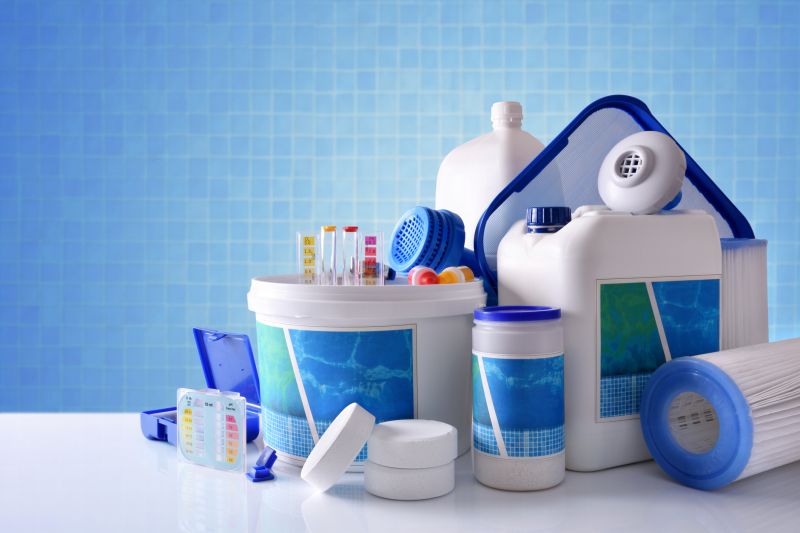
Chemical feeders, skimmers, and filtration systems are vital for effective water treatment.
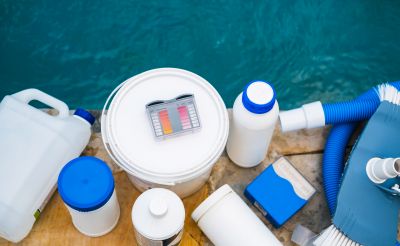
Proper application techniques ensure even distribution and optimal chemical effectiveness.
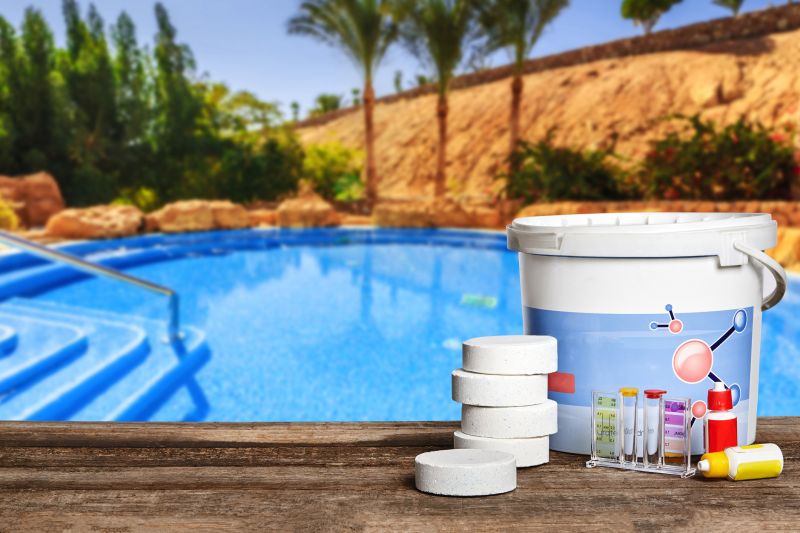
Regular testing helps determine the right timing and dosage for treatments.
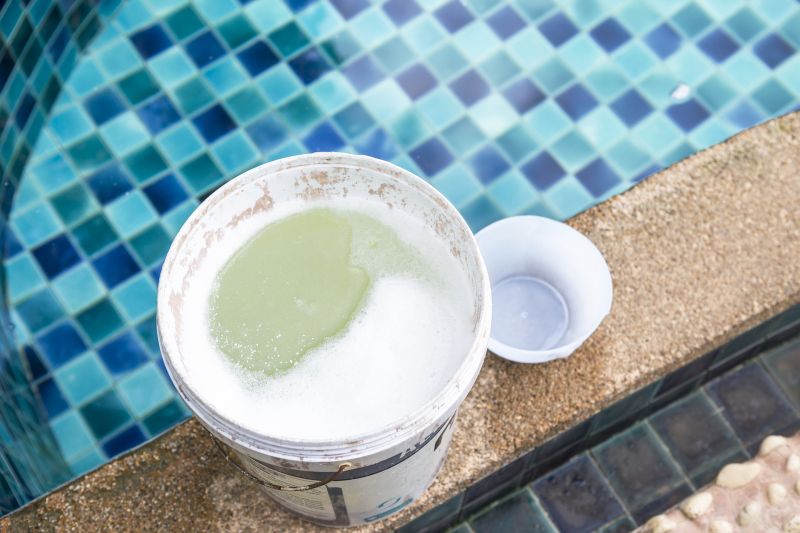
Ways to make Pool Water Treatments work in tight or awkward layouts.
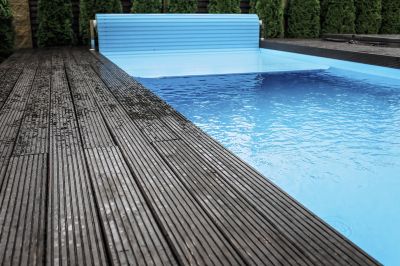
Popular materials for Pool Water Treatments and why they hold up over time.
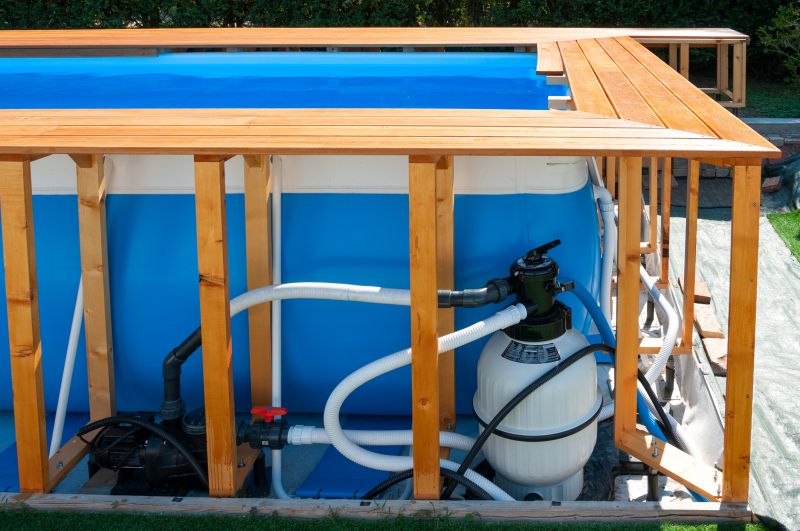
Simple add-ons that improve Pool Water Treatments without blowing the budget.
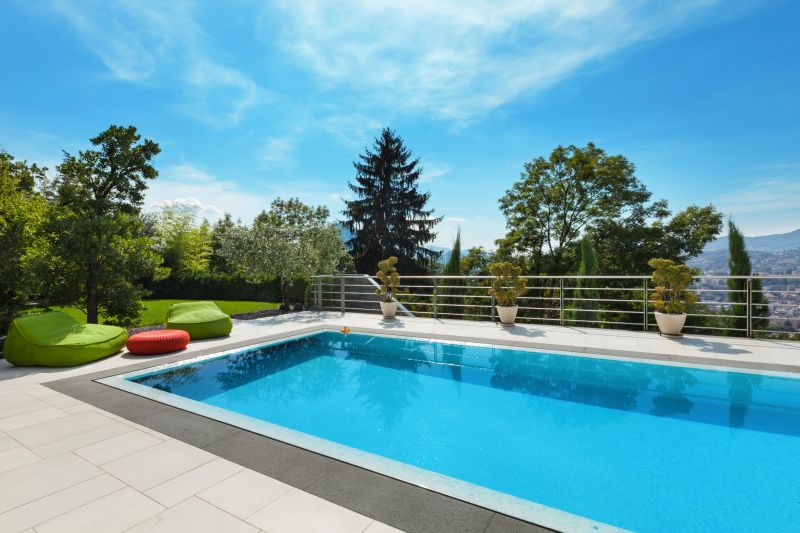
High-end options that actually feel worth it for Pool Water Treatments.
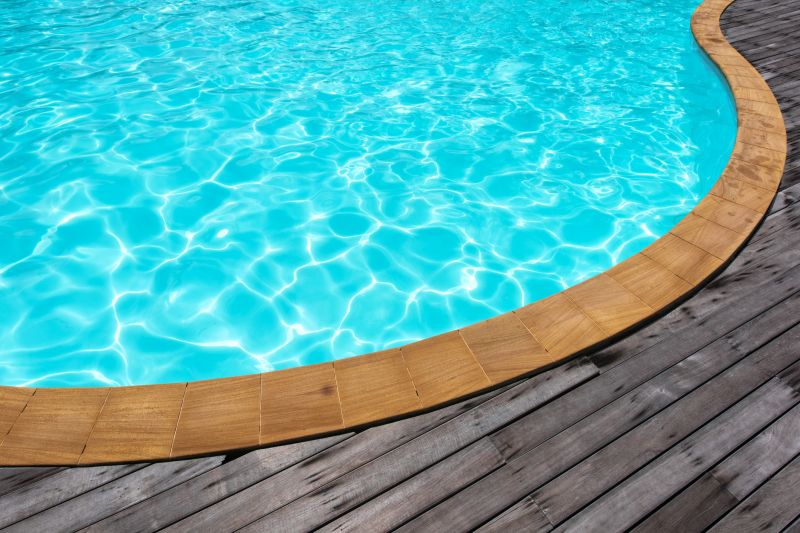
Finishes and colors that play nicely with Pool Water Treatments.
| Timing Consideration | Recommended Practice |
|---|---|
| Before peak usage | Perform treatments to ensure water quality during high occupancy. |
| After storms or heavy rain | Recheck and adjust chemicals to restore balance. |
| During seasonal changes | Schedule treatments to prepare for or conclude active swimming seasons. |
| Regular weekly intervals | Maintain consistent water chemistry and clarity. |
| Before closing for winter | Conduct comprehensive treatments to protect equipment and water quality. |
Pool water treatments are essential for maintaining safe and inviting swimming conditions. They involve balancing chemicals, removing contaminants, and ensuring clarity. Proper timing maximizes treatment effectiveness, reduces chemical usage, and extends the lifespan of pool equipment. Regular monitoring and adjustment are key components of an effective treatment schedule, helping to prevent issues such as algae blooms, bacterial growth, and water cloudiness.
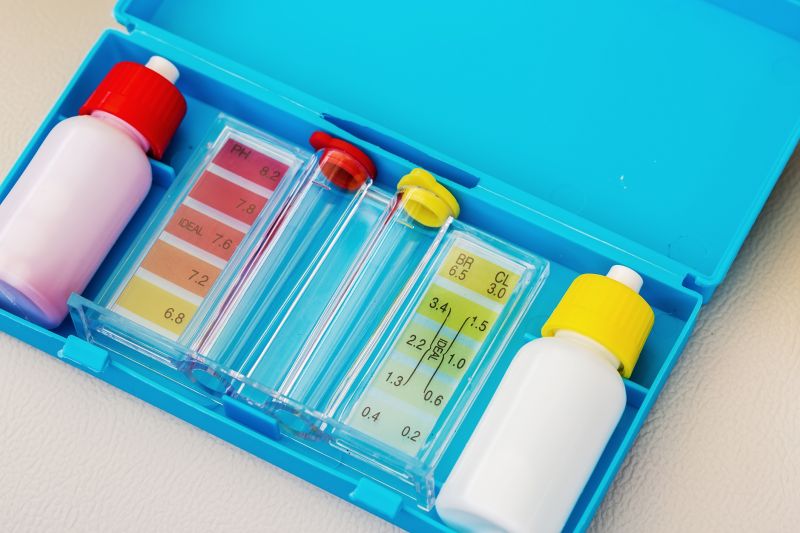
Accurate testing kits are crucial for determining current water chemistry levels.
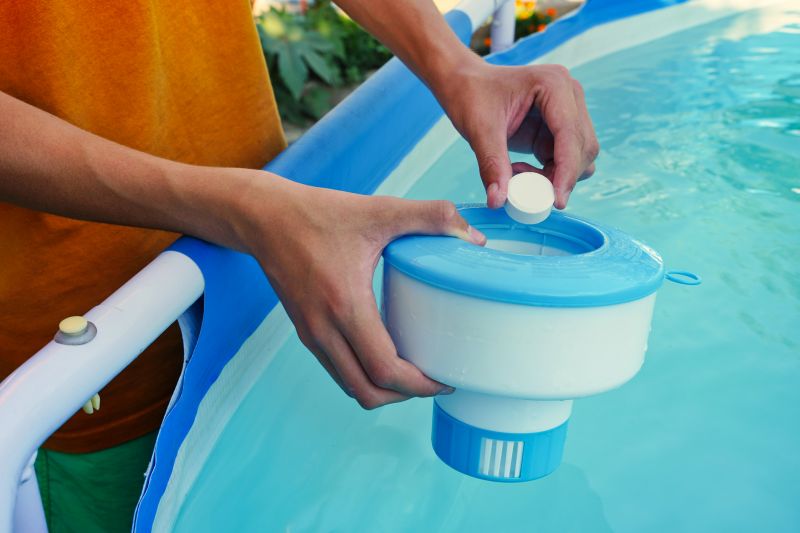
Automated dispensers help deliver consistent chemical doses at scheduled times.
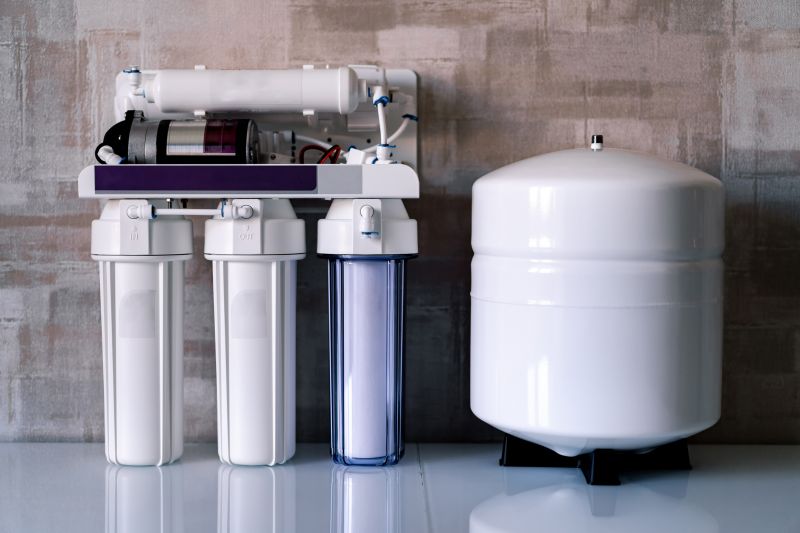
Effective filtration supports the removal of particles and contaminants.
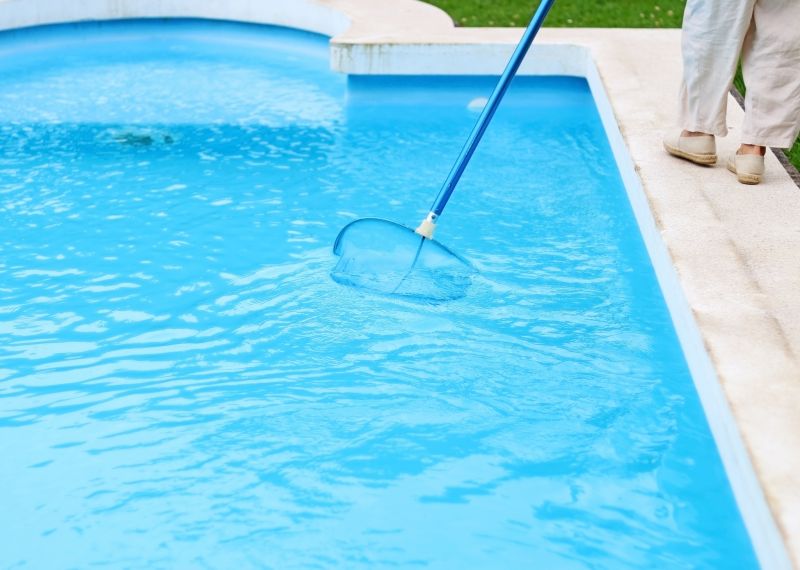
Tools like skimmers and brushes assist in keeping water clean between treatments.
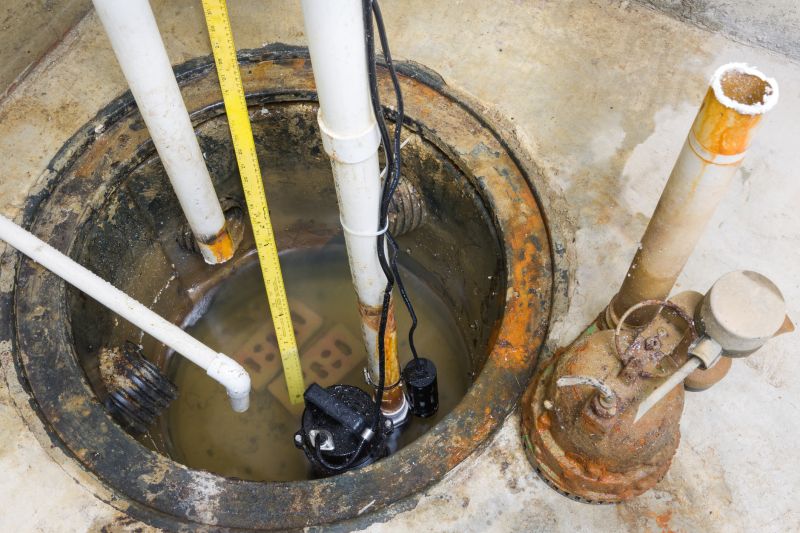
Little measurements that prevent headaches on Pool Water Treatments day.
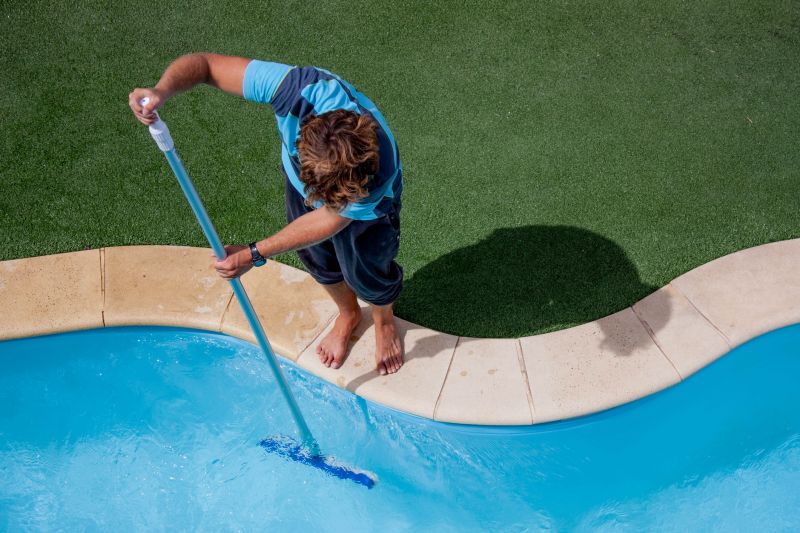
A 60-second routine that keeps Pool Water Treatments looking new.
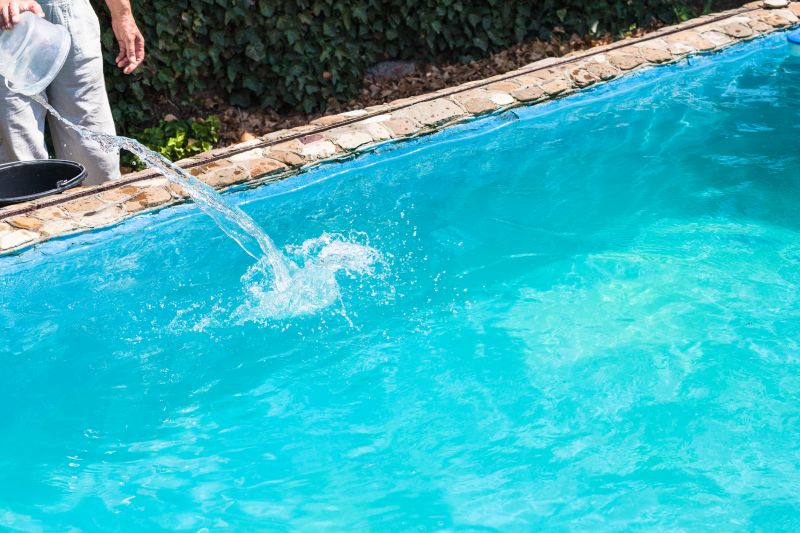
A frequent mistake in Pool Water Treatments and how to dodge it.
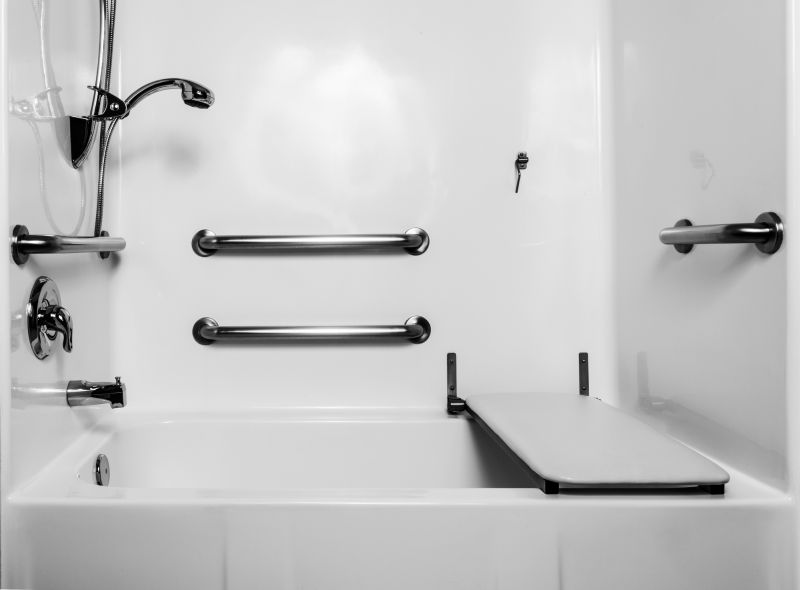
Small tweaks to make Pool Water Treatments safer and easier to use.
Scheduling pool water treatments at appropriate times enhances water quality and safety. Regular treatments, combined with proper equipment maintenance and monitoring, support a healthy swimming environment. Consistent water care minimizes the need for extensive chemical corrections and extends equipment longevity.
Interested in setting up a treatment schedule or learning more about pool water care? Filling out the contact form provides an opportunity to receive tailored advice and support for maintaining optimal water conditions.